Betsy Herbert's published writing about the environment...
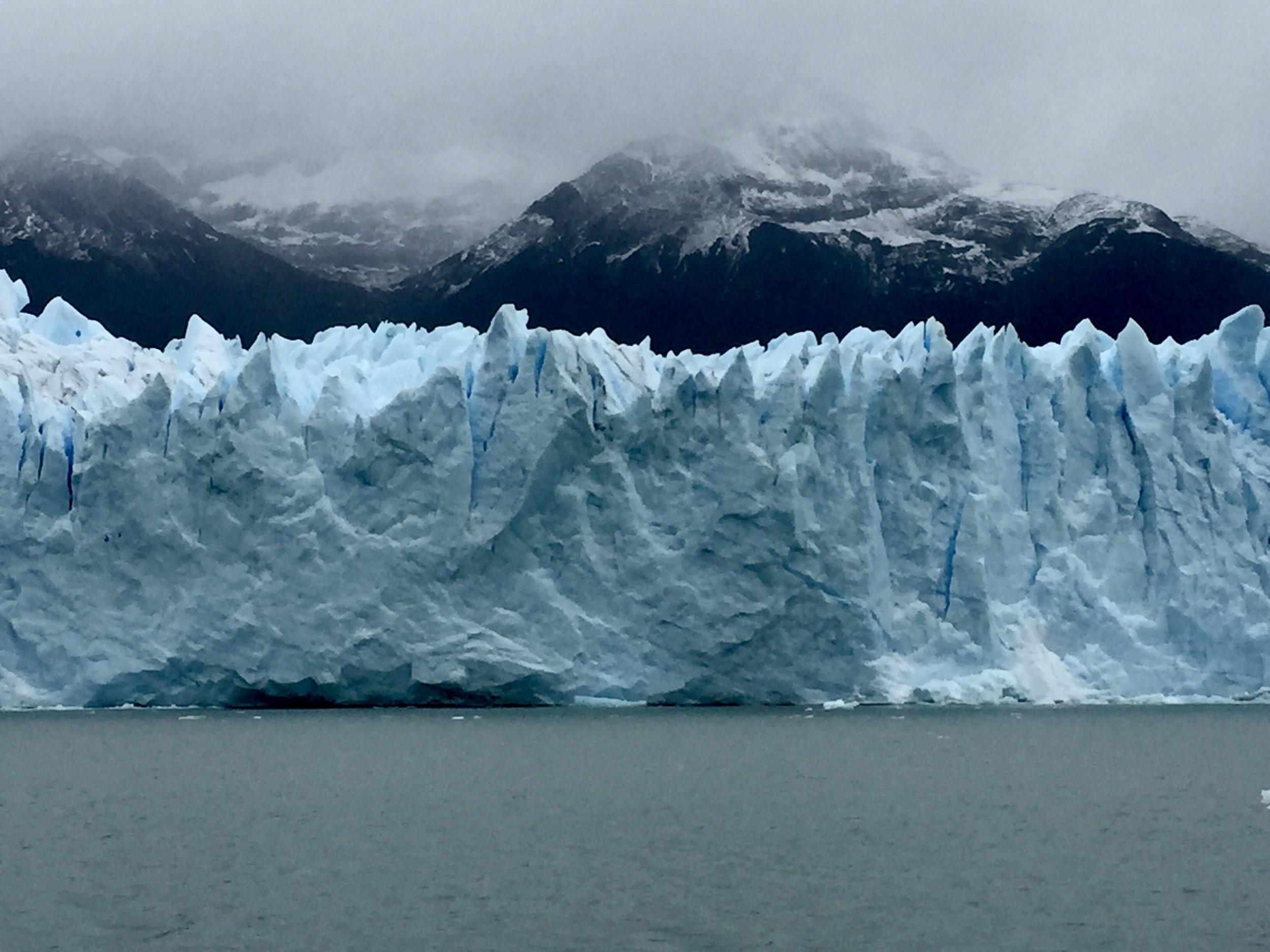
Watch a 25-minute presentation of my year-long trip around the world:
by Betsy Herbert
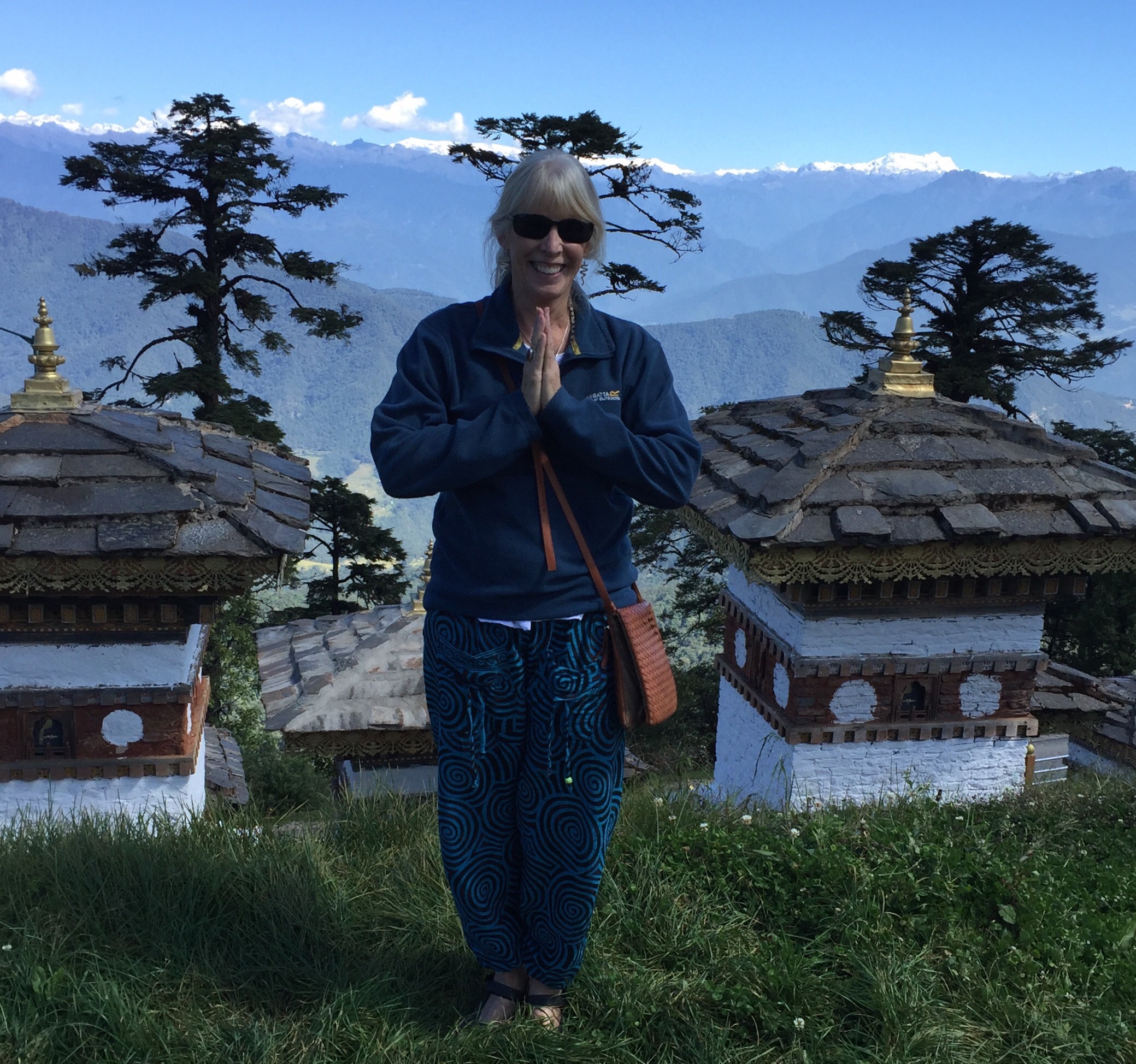
For years, I’ve been intrigued by the small Himalayan country of Bhutan, where the government measures its success by the “Gross National Happiness” of its people. So, naturally, Bhutan was near the top of my list of places to visit when I started my year-long trip around the world six months ago.
What's so special about Bhutan?
In case spectacular natural beauty is not enough reason to visit, I did some reading beforehand. I learned that “Gross National Happiness” as measured by the Bhutanese government is based on a scientifically constructed index that considers non-economic aspects of people’s well being, such as education, health, social relationships, environmental protection and cultural preservation. Imagine!
by Betsy Herbert
Seems everyone around the world is interested in the US primary election, especially when it comes to Donald Trump. After flying from Quito, Ecuador to San Salvador on March 12 to begin a 16-day tour of Central America, I took a taxi to my hotel.
My cab driver was eager to discuss the US presidential election. He spoke no English, but by now my Spanish was pretty good. I began by stating my opposition to Trump. As if on queue, the cabbie launched into a rant about Trump's racism. He was incredulous about the level of support that Trump seemed to be getting from American voters. I explained that US politics was extremely divisive and that there were plenty of people who opposed Trump for many reasons, including his racist views. I also told him I didn't think Trump would win. He seemed somewhat relieved to hear my opinion.
Looking back on my year-long trip around the world, I realized that nobody that I met, with the exception of a few American travelers, had anything nice to say about Trump. While I have more serious concerns about Trump, I know that if he were elected, international travel would become a lot more uncomfortable and unsafe for Americans.
Read my letter to the editor in the Corvallis Gazette Times asking the city of Corvallis to rethink its plan to cut the mature forest that supplies its drinking water. This 12 ft. circumference tree is one of many marked for cut in the city watershed.
by Betsy Herbert, Earth Matters
posted in the Santa Cruz Sentinel 11/23/17
The afternoon of Nov. 1, I took one final look around my house, scanning the empty space for anything the movers might have missed. I was also saying a last goodbye to this little sanctuary that I’d created for myself in the middle of suburban Santa Cruz. I could walk to town, take a shuttle to the UC Santa Cruz campus, and yet, the neighborhood was quiet and I could occasionally hear coyotes and great horned owls at night.
I had planned to live the rest of my life in this beautiful place. But after 30 years in the Aptos hills, Bonny Doon and within the Santa Cruz city limits, I was finally pulling up my roots and moving out of state, to Corvallis, Oregon.
by Betsy Herbert, Earth Matters
published in the Santa Cruz Sentinel 10/26/17
t’s not difficult to convey the environmental impacts of clear-cut logging; just look at the big, ugly bald patches of scarred earth after a clear-cut and you get it. But too often, an alternative to clear-cutting — known as selection logging — is offered as a panacea. Wow, it looks so much better than a clear-cut, especially when you’re looking at photos taken by timber companies doing the logging.
But if you get down into the weeds, so to speak, as forest scientists do, you start finding that selection logging also has problems…they’re just not as visible. One of the biggest problems of selection logging is the ground disturbance from the haul roads and skid trails cut into the forest to take the trees out.
by Betsy Herbert, Earth Matters
published in the Santa Cruz Sentinel 9/14/17
Sometimes reading a science article can be downright scary. On September 5, I read a piece in the Guardian, “Plastic fibers found in tap water around the world, study reveals.” U.S. scientific researchers analyzed tap water samples from more than a dozen nations for an investigation by Orb Media (orbmedia.org), a non-profit journalism group. The Orb study, entitled “Invisibles: The plastics inside us,” concluded that billions of people on five continents are drinking water contaminated by plastic micro-particles.
by Betsy Herbert, Earth Matters
published in the Santa Cruz Sentinel 8/17/17
Have you noticed all the mountain bikes strapped on cars traveling over Highway 17, especially on weekends? Demand for biking and other forms of recreation in the public spaces of Santa Cruz County is steadily increasing and much of that demand is coming from “over the hill” in the San Francisco Bay Area. Apparently, people increasingly need to escape from the stress of living in Silicon Valley.
At the same time, California State Parks has cut way back on acquiring new parklands in Santa Cruz County and throughout the state, following a complete reorganization of state parks beginning in 2013.
As demand steadily increases for recreation, sometimes people forget that state parks — as well as county and city parks and other public spaces — were originally set aside to do more than provide trails for public recreation. They were also established as natural areas to preserve habitat for other lifeforms and to ensure that natural processes — part of our planet’s life support system — function properly.
by Betsy Herbert, Earth Matters
posted in the Santa Cruz Sentinel 7/27/2017
One evening last fall I nearly had a panic attack as I read the now famous 2003 article, “Are You Living in a Computer Simulation?” by Nick Bostrom, a Swedish philosopher at the University of Oxford. Bostrom’s theory has convinced many physicists and futuristic thinkers like Elon Musk that the natural world — the Universe — is actually a computer simulation created by some advanced post-human civilization. I’m not exactly a sci-fi aficionado and I had to force myself to watch “The Matrix,” but Bostrom made a strong, logical argument that for a brief moment shook my life-long belief that nature is the baseline for everything else that exists.
As an environmentalist, I’ve always held to the notion held by deep ecologists that wild nature, as it evolved through the eons, needs to be preserved as the foundation for life on the planet. Wilderness areas (Earth’s least disturbed places) are a priceless storehouse of our planet’s biodiversity. We need to protect wilderness — or else humans, along with other species that we share the planet with — will perish.
by Betsy Herbert, Earth Matters
published in the Santa Cruz Sentinel 6/15/17
While traveling around the world during the past two years, I reported in this column about many disturbing environmental issues that I encountered. I had to find ways to keep myself amused during this sometimes depressing investigation of air and water pollution, deforestation, overfishing, sea level rise, ocean acidification, garbage dumps, poaching, erosion, and habitat destruction, etc.
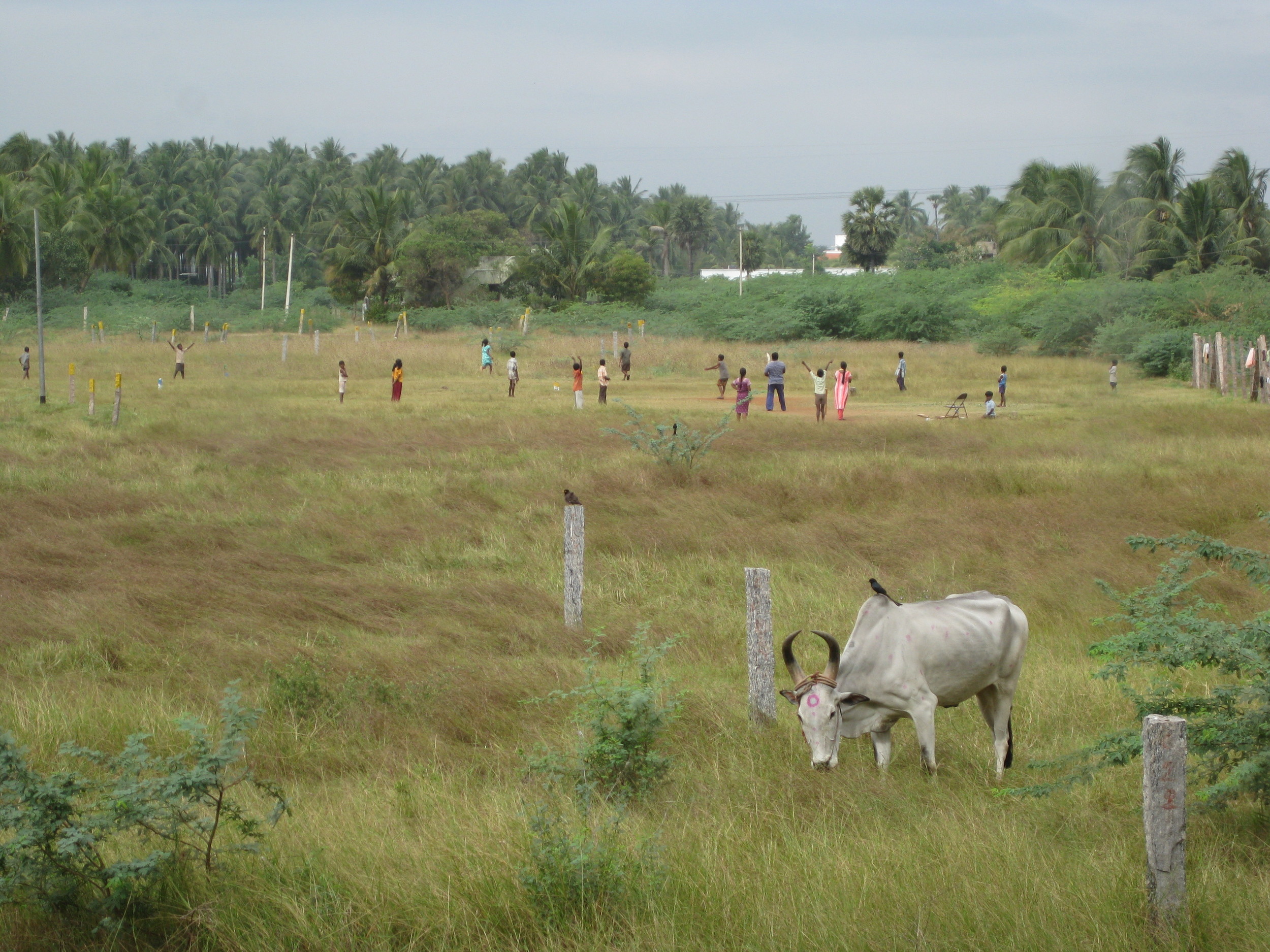
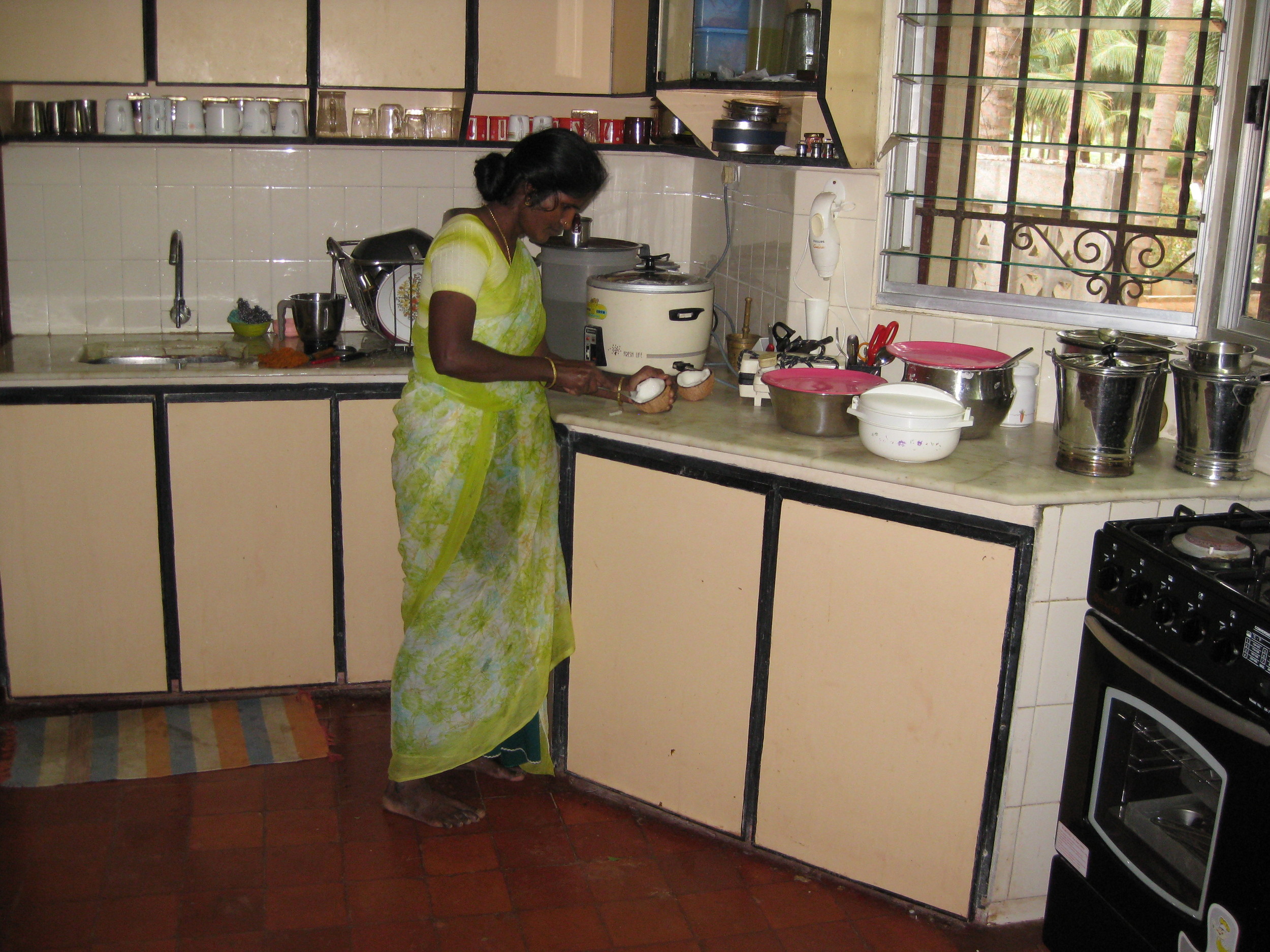
Keeping lists turned out to be a simple and entertaining way to pass the time. I kept lists of people I met, foods I ate, wines and beers I drank. But the most interesting list I kept was what I called the “Ubiquitous List.” Things I entered on this list had seemingly nothing in common except that they kept popping up everywhere I traveled. As soon as I noticed something in one country that I had previously noticed in another, I’d add it to the list ... and I didn’t bother listing the most obvious things like people, buildings and cars.
by Betsy Herbert
I left Tanzania on September 15 bound for Madagascar, the fourth largest island in the world, where I would be on my own for 10 days. . . I was excited but wary. Why did I want to go to Madagascar? A popular travel guide describes Madagascar as follows:
"Lemurs, baobabs, rainforests, beaches, desert, trekking and diving: Madagascar is a dream destination for nature and outdoor lovers...and half the fun is getting to all these incredible attractions." -- Lonely Planet travel guide to Madagascar
Madagascar is made to sound like a paradise. But I knew from my own reading that deforestation, erosion, and water and air pollution were big environmental problems in Madagascar. I had keen interest in these problems, since forest management was the focus of my academic research and publications. I wanted to see Madagascar’s deforestation with my own eyes.